ISLAMABAD: In a significant relief measure for overseas asset holders, the Senate Standing Committee on Finance and Revenue has approved a proposal to abolish the Capital Value Tax (CVT) on foreign movable and immovable assets owned by resident Pakistanis as part of its review of the Finance Bill 2026-27.
Currently, resident Pakistanis are required to pay CVT on foreign properties, bank balances, investments, and other assets held abroad. The committee’s approval of the proposal is expected to reduce the tax burden on individuals with overseas holdings and encourage greater declaration of foreign assets.


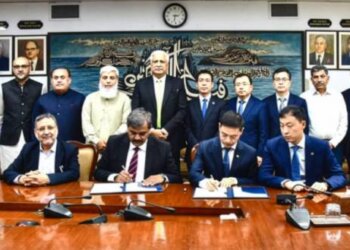
The decision was taken during the committee’s ongoing scrutiny of the Finance Bill 2026-27 at Parliament House under the chairmanship of Senator Saleem Mandviwala. The meeting was attended by Finance Minister Muhammad Aurangzeb, Minister of State for Finance Bilal Azhar Kayani, senior officials of the Federal Board of Revenue (FBR), and members of the Senate committee.
Senate Questions Proposed Increase in Islamabad Vehicle Token Tax
While approving relief on foreign assets, the committee expressed reservations over the government’s proposal to substantially increase token tax rates on motor vehicles registered in the Islamabad Capital Territory (ICT).
Committee members directed Islamabad authorities to present a comparative analysis of vehicle taxation across Islamabad and the provinces before a final decision is made. The issue is expected to be revisited in the committee’s upcoming session.
Concerns Raised Over Tariff Reductions and Impact on Local Industry
The Senate panel also reviewed proposed reductions in import duties, additional customs duties, and regulatory duties. Members voiced concerns that lower tariffs could negatively affect domestic manufacturers and local industries.
Responding to these concerns, the Secretary Commerce informed lawmakers that the government’s tariff rationalization strategy continues to provide domestic industries with approximately 15 percent tariff protection, balancing competitiveness with industrial support.
FBR Gets Powers for Re-Audits in Suspected Tax Irregularity Cases
During the meeting, the committee approved amendments empowering the Federal Board of Revenue to conduct re-audits of taxpayers where irregularities are suspected.
Under the proposed framework, a Commissioner Inland Revenue may order a re-audit after obtaining prior approval from the Chief Commissioner. Taxpayers will also be granted an opportunity to present their position before any final determination is made.
Inventory Revaluation and Digital Tax Compliance Measures Approved
The committee further approved provisions allowing registered taxpayers to revalue their inventories. Valuations will be conducted by qualified cost accountants, while re-audits will be performed by accountants selected from an approved FBR panel.
Commissioners will also have authority to seek specific explanations and information from taxpayers during audit and assessment proceedings.
To strengthen tax enforcement and expand digital documentation of the economy, the committee approved stricter penalties for businesses failing to integrate with the FBR’s digital tax system within prescribed deadlines.
Repeated violations may result in substantial fines and, in severe cases, the sealing of business premises.
The committee also endorsed stringent measures against fake tax invoices. Under the approved amendments, individuals issuing fraudulent invoices may face penalties equal to the full value of the invoice. Tax credits claimed through fake invoices will be revoked, while taxpayers may also be subject to a 20 percent penalty on mismatches between input and output tax, in addition to applicable surcharges and other penalties.
Furthermore, lawmakers approved amendments concerning the disposal of seized goods and recommended that vehicles used to transport seized goods should not be automatically confiscated.
The Senate Standing Committee on Finance and Revenue will continue its clause-by-clause review of the Finance Bill 2026-27 before submitting its recommendations to Parliament.